

That forgotten bottle in the back of your cabinet doesn't have to be a mystery. Expired CBD oil is rarely dangerous, but it can lose its luster and even upset your stomach.
Key Takeaways
- Expired CBD oil is unlikely to cause serious harm, but it may cause mild digestive discomfort or nausea.
- Rancid carrier oils are the primary concern, not the CBD molecule itself.
- Tell-tale signs include a foul odor, cloudy texture, and bitter taste.
- Proper storage away from heat, light, and air can extend freshness by months.
- When in doubt, replace old oil with fresh, third-party-tested products from a trusted source.
What Does "Expired" Actually Mean for CBD Oil?
Most CBD oil bottles carry a "best by" or "use by" date, not an absolute safety deadline. The date reflects the manufacturer's estimate of when the product will be at its peak potency and flavor.
Over time, the carrier oil—often MCT coconut oil, hemp seed oil, or olive oil—begins to oxidize. This natural process degrades the beneficial compounds and can create off-putting byproducts.
If you want to understand the full range of oils available, browse our curated CBD oil collection for fresh, premium options.
The Chemistry of Degradation
CBD itself is relatively stable, but exposure to oxygen, light, and heat accelerates breakdown. The carrier oil is more fragile; unsaturated fats oxidize into peroxides and aldehydes.
These compounds are responsible for rancid smells and flavors. They can also irritate the digestive lining when consumed in large amounts.
Shelf Life Expectations
A well-stored CBD oil typically lasts 12 to 24 months from the manufacturing date. Water-soluble formulas or those with added flavoring may expire sooner.
Always check the label for specific guidance. If the oil was purchased from a reputable source like our CBD oil collection, the expiration date is backed by stability testing.
Can Expired CBD Oil Hurt You?
In most cases, consuming expired CBD oil will not send you to the emergency room. The real risk is mild and short-lived gastrointestinal upset.
However, if the oil has developed mold or bacterial growth—rare but possible with contaminated batches—there could be more serious consequences.
Potential Side Effects
- Nausea or stomach cramps from oxidized fats.
- Diarrhea if the oil has become rancid.
- Headache from ingesting degraded terpenes or additives.
- Allergic reaction if mold spores are present (very rare).
When to Seek Medical Advice
If you experience severe vomiting, fever, or symptoms lasting more than 24 hours after consuming suspicious oil, contact a healthcare provider. Otherwise, hydration and rest usually resolve mild discomfort.
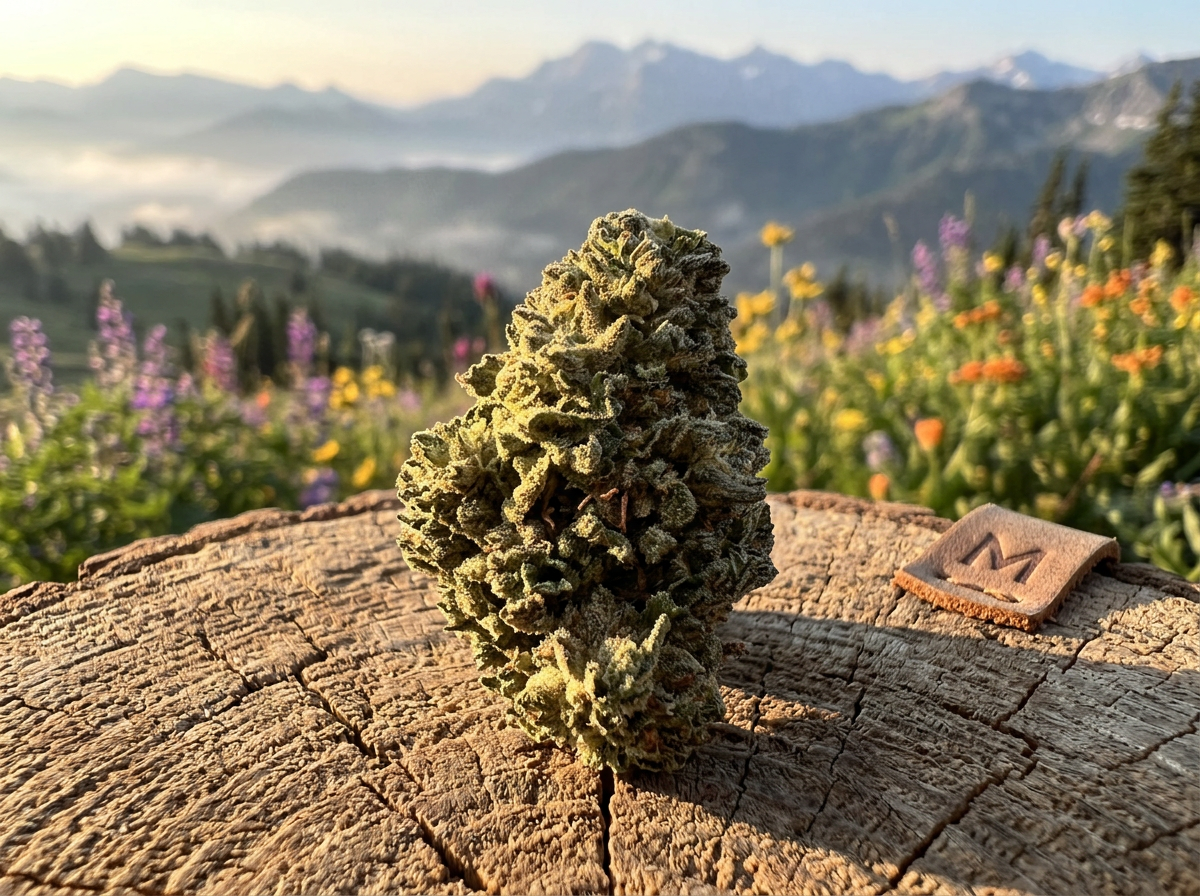
Ripkitty Premium Lifter CBD Hemp Flowers
Why it helps: If your oil has turned, switching to whole-flower hemp keeps things simple and fresh. These Premium Lifter buds are stored in small batches to preserve potency.
- No carrier oil to go rancid
- Rich aromatic profile that signals freshness
- Lab-tested for purity and potency
Shop Premium Lifter CBD Hemp Flowers
How to Tell If Your CBD Oil Has Gone Bad
Your senses are your best tools. A quick visual, smell, and taste check can reveal whether the oil is past its prime.
If two or more of the following signs are present, it's safest to discard the bottle.
Visual and Textural Clues
- Cloudiness or sediment that wasn't there when new.
- Separation that doesn't resolve after shaking.
- Color darkening from golden to murky brown.
- Mold spots on the dropper or bottle rim.
Smell and Taste Changes
Fresh CBD oil has a mild, earthy, plant-like aroma. Expired oil often smells sour, musty, or like old cooking oil.
The taste should be slightly bitter but not harsh. A strong chemical or metallic aftertaste indicates oxidation.
The Sniff Test vs. Expiration Dates
Expiration dates are conservative estimates. A well-stored oil may remain pleasant weeks after the date, while a poorly stored oil can spoil before it.
Always trust your nose and tongue over the printed label. When in doubt, replace it.
Safe Storage: How to Extend CBD Oil Freshness
Proper storage is the single most effective way to prevent premature expiration. Keep your oil in a cool, dark place away from fluctuating temperatures.
Pro tip: Store your bottle upright in a drawer or pantry, not on a sunny windowsill or near the stove. Heat and light are the fastest ways to degrade CBD and carrier oils.
Light, Air, and Heat
Ultraviolet light breaks down cannabinoids and accelerates oxidation. Oxygen exposure from frequent opening also shortens shelf life.
Aim to keep the bottle tightly sealed and use it within a few months of opening, even if the expiration date is far away.
Proper Containers
Glass bottles with airtight droppers are ideal. Avoid transferring oil to plastic containers, which can leach chemicals over time.
For travel or daily use, consider smaller bottles so the main supply stays sealed. Explore our hemp products for storage-friendly options.
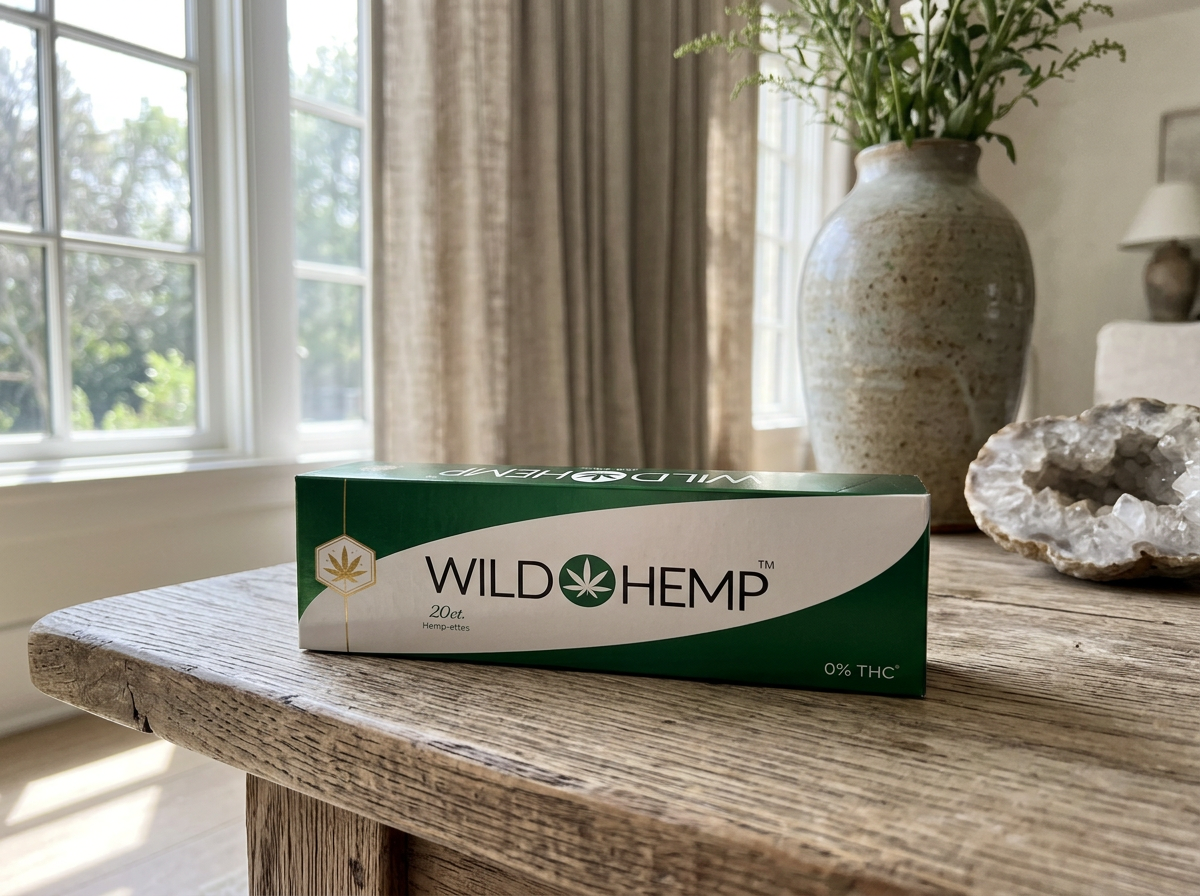
Wild Hemp CBD Hempettes 1 CARTON
Why it helps: If you're tired of worrying about liquid expiration, pre-rolled hempettes offer a shelf-stable alternative that's easy to keep fresh.
- Convenient, ready-to-use format
- No measuring or oil mess
- Consistent dose in every hempette
What to Do with Expired CBD Oil
Don't pour it down the drain. Expired oil can clog pipes and harm the environment. Instead, use one of these responsible disposal methods.
Disposal and Recycling
- Mix with absorbent material like coffee grounds or cat litter, seal in a bag, and place in household trash.
- Check local regulations for hazardous waste drop-off if the oil is unusually rancid.
- Rinse the bottle and recycle the glass separately.
Can You Still Use It Topically?
Mildly expired oil may be safe for topical use on unbroken skin, but avoid if there is any mold or foul odor. The skin absorbs degraded compounds poorly, but irritation is possible.
For unquestionably safe topicals, explore our CBD skincare collection.
Fresh Alternatives to Expired CBD Oil
When your bottle has turned, consider what format best fits your lifestyle. Some products are inherently more stable than oils.
Flower, pre-rolls, and topicals can offer reliable potency without the same oxidation concerns.
Why Quality Matters
Buying from a trusted retailer ensures you start with a product that hasn't been sitting on a shelf for months. Fresh inventory and third-party testing make a visible difference.
Our smokeable flower collection features small-batch producers with transparent sourcing.
Product Types to Consider
- Hemp flower: Naturally shelf-stable when stored in a cool, dark place.
- Pre-rolls and hempettes: Convenient and portion-controlled.
- Topicals: Bypass the digestive system entirely.
- Edibles: Often have longer shelf lives than oils due to lower moisture content.

Ripkitty Suver Haze CBD Hemp Flower
Why it helps: This Suver Haze flower is harvested and cured with care, so you can enjoy a fresh, aromatic experience without the guesswork of expired oils.
- High-terpene profile for a clean taste
- Sealed for maximum shelf life
- Versatile for smoking or dry herb vaporizing
Discover Suver Haze CBD Hemp Flower
Common Myths About Expired CBD Oil
There is a lot of misinformation floating around. Let's separate fact from fiction.
Myth vs Fact
- Myth: Expired CBD oil becomes toxic like spoiled meat. Fact: It mostly loses potency and may taste bad; severe toxicity is extremely rare.
- Myth: You can "refresh" old oil by adding fresh oil. Fact: Rancid fats cannot be reversed; mixing only dilutes the bad taste temporarily.
- Myth: A cloudy bottle always means it's spoiled. Fact: Some oils naturally cloud when cold; if it clears at room temperature, it's likely fine.
- Myth: CBD never expires because it's a stable molecule. Fact: CBD itself is stable, but the carrier oil and added ingredients are not.
How to Choose High-Quality CBD from the Start
The best way to avoid expired CBD oil is to start with a fresh, well-made product. Look for these markers of quality.
Third-Party Testing
Reputable brands publish certificates of analysis from independent labs. These confirm potency, purity, and the absence of heavy metals, pesticides, and mold.
Carrier Oils and Extraction Methods
MCT coconut oil is popular because it resists oxidation better than many vegetable oils. CO2 extraction preserves more beneficial compounds without leaving solvent residues.
If you need help choosing, our buy CBD oil guide highlights our best-selling, lab-verified tinctures.
Frequently Asked Questions
Can expired CBD oil make you sick?
Yes, but usually only mildly. Rancid carrier oil can cause nausea, stomach cramps, or diarrhea. Serious illness is very rare and typically linked to mold contamination.
How long after the expiration date is CBD oil safe?
If stored properly, unopened CBD oil may remain safe for a few weeks to a couple of months past the date. Once opened, use within 6 to 12 months and trust your senses.
What does rancid CBD oil taste like?
It often tastes sharp, sour, or like old cooking oil. A strong chemical or metal aftertaste is also a red flag. Fresh CBD oil has an earthy, slightly bitter taste.
Can I use expired CBD oil on my skin?
Mildly expired oil may be okay for topical use if it shows no mold or foul odor. However, if you have sensitive skin, it's safer to switch to a fresh product from a trusted retailer.
Does CBD oil lose potency after expiration?
Yes, CBD degrades somewhat, but the bigger issue is carrier oil oxidation. Potency can drop by 10-30% over a year or more, making the product less effective.
Can I still use expired CBD oil for sleep?
You may not get the desired effect because potency is lower. For reliable results, consider a fresh option from a reputable source.
Final Thoughts
Expired CBD oil is rarely a serious hazard, but it's not worth the gamble. Listen to your senses, store products properly, and replace old oil with fresh, transparently sourced alternatives.
Ready to upgrade your wellness ritual? Explore our full collection and find a product that never leaves you guessing.

